

 Dogs say more with their bodies than we might realise. When they lean their weight against our shins or let out a long, dramatic sigh they aren't just shifting around—they're communicating something important. For those of us living with larger breeds, these signals can be even more profound, so understanding the nuances of a nudge or a head tilt can fundamentally change how we connect with our companions. Let’s explore what some of these common gestures actually mean and how you we become better at in "reading" our dog’s daily diary.
Understanding Leaning in Large Breeds

Let's dive into the world of large dog behaviors, starting with one of the most common: leaning. Your furry friend might press against you more than you think.
Why Dogs Lean on You
When your dog leans against you, it's often a sign of affection. Imagine you're their favorite spot to rest. Dogs, especially large breeds, can use their body weight to communicate comfort and closeness. This behavior shows trust and a strong bond.
In some cases, it could also mean you're their safe haven. If there's a loud noise or a new environment, your presence provides reassurance. They might lean to feel secure, indicating they see you as a protector. Understanding this can deepen your connection and help in training. Is this something you're experiencing? Many owners find it endearing, a testament to their dog's loyalty.
For more insights on dog behavior, visit this guide.
Sitting on Your Feet: A Comfort or Control?
When any dogs plops down on your feet, this action is more than just a quirky habit. It can be a form of control, but more often, it's about wanting to be close. Dogs sometimes sit on your feet to feel your presence and to let you know they're there.
If your dog is doing this, it's a way of marking territory in a loving sense. They might also be feeling cold, and your feet offer warmth. It's a small act of claiming you as theirs, showing a bond that many owners like but don't fully understand.
Is your dog sitting on your feet right now? This simple action is a part of their emotional behavior, showing love and a need for connection. For more tips on understanding dog behavior, check this article.
The Signs of Large Breeds
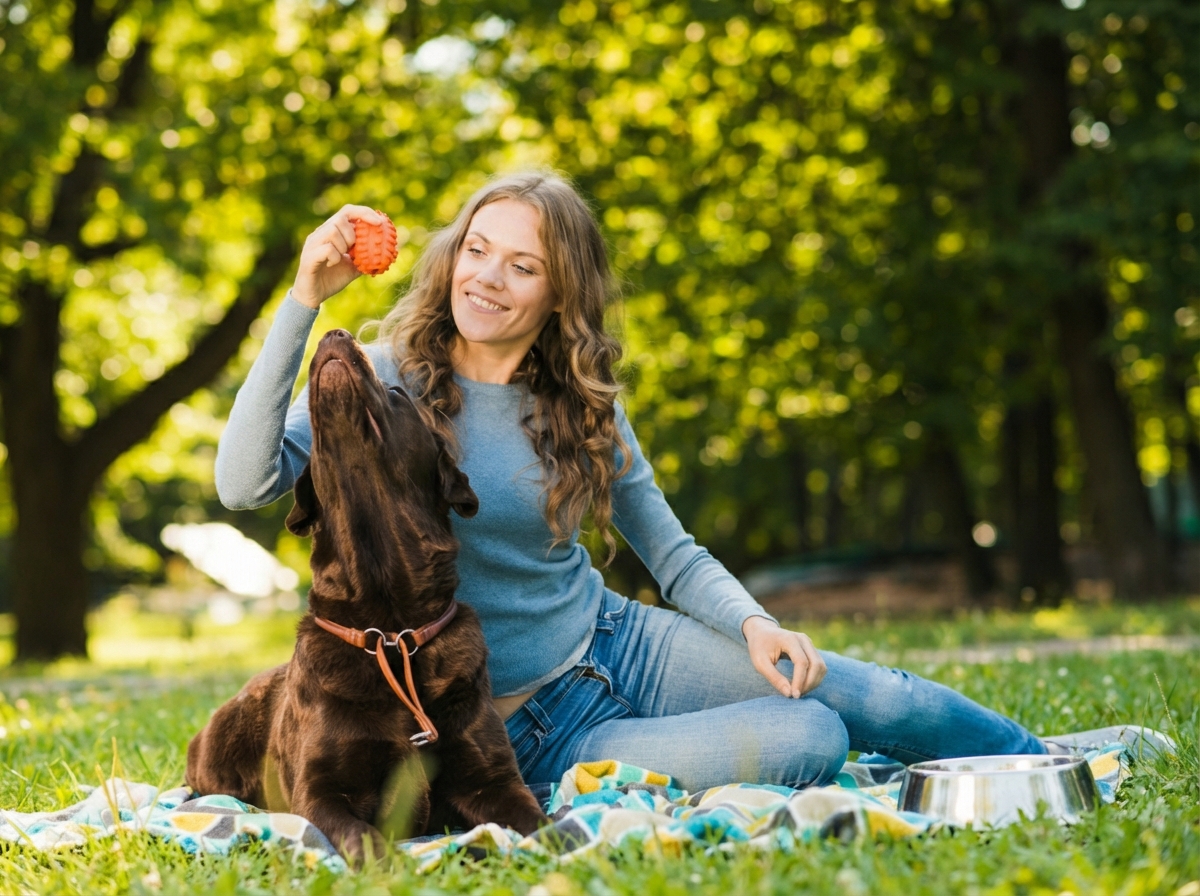
When your large breed lets out a sigh, they're not just bored. There's more to it.
Decoding the Deep Sign
A deep sigh from your Ridgeback or Labrador can express contentment. Imagine a long day of play; they settle down with a sigh, showing they're satisfied and relaxed. This is normal dog behavior, often signaling peace and comfort.
But sometimes, a sigh can mean the opposite. If it's followed by restless movements, it might indicate your dog is feeling bored. They could be longing for some activity or interaction. Recognizing these cues can help you engage with them more effectively. Want to explore more on this? Check this out.
Emotional Signals in Dog Sighs
Your dog's sighs are emotional signals. They can be seen as a reflection of their mood. A content sigh is accompanied by a relaxed posture, while a frustrated sigh might include a glance towards you, almost as if they're saying, "Let's do something fun!"
Being attuned to these signals strengthens your understanding of their emotional behavior. It's a simple way to keep your bond strong and ensure your dog feels understood. Have you heard your dog sighing today?
The Zoomies
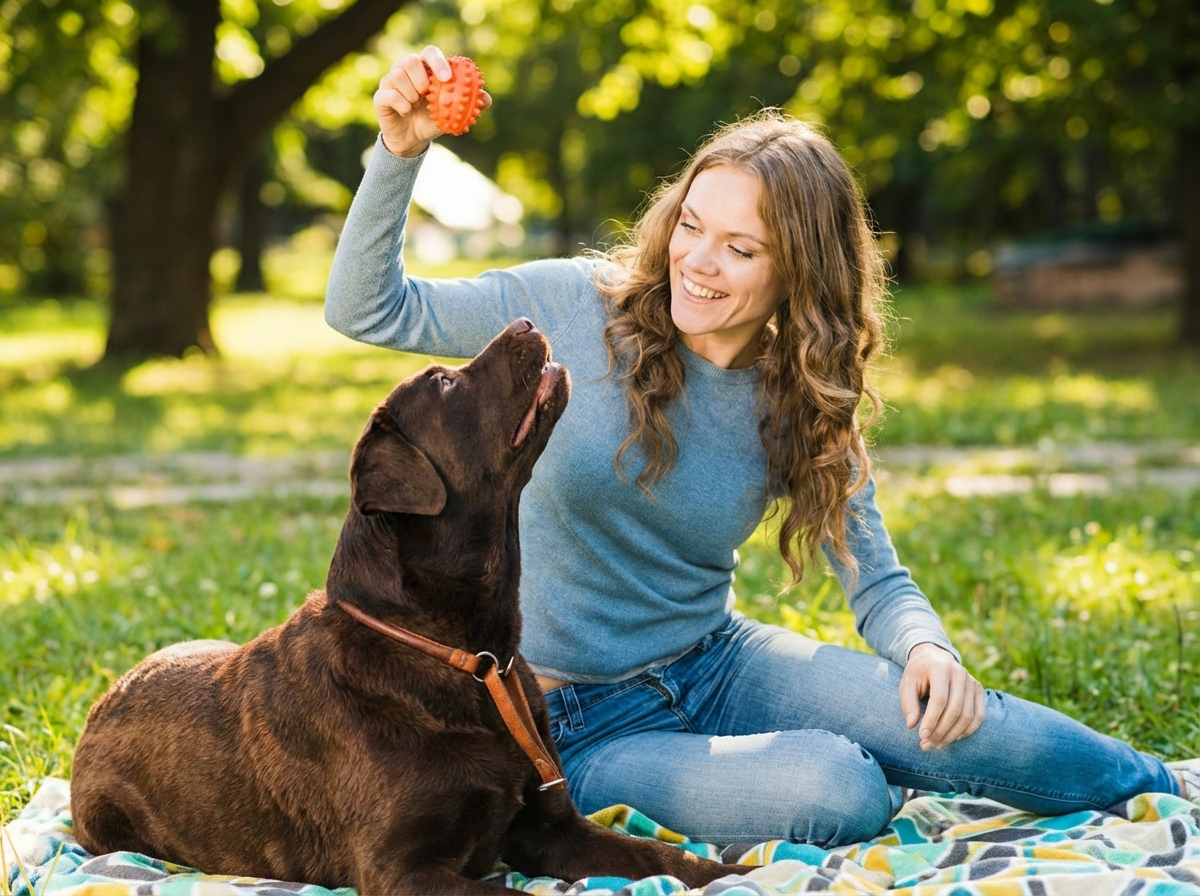
This unexpected burst of energy can be quite the spectacle in large breeds.
What Zoomies Look Like in Large Dogs
Zoomies in large dogs are an impressive sight. With their massive frames, a Doberman or Boxer racing around can look like a whirlwind. It's a release of pent-up energy and excitement, common in many breeds.
This behavior indicates your dog is healthy and happy. They might dash around after a bath or during playtime. It's their way of celebrating life, expressing joy in its purest form. Have you witnessed your dog doing this?
Encouraging Safe Zoomies
While zoomies are fun, safety is key. Ensure your dog has plenty of space to run without obstacles. Keeping their play area clear can prevent accidents. A fenced garden or a dog park is ideal.
Engaging in regular playtime can also help manage these bursts of energy. Incorporating fetch or tug-of-war can channel their energy positively. Ready to enjoy some zoomies with your pup? For tips on ensuring safe play, explore these 7 tips.
Understanding these behaviors helps in reading dog body language and creating a safe, loving environment for your pet. Enjoy the bond with your furry friend, and keep and eye out for Part 2. In the meantime you can read more about dog body language, at this resource.